

The decoration method you choose affects how your custom sportswear looks, feels and lasts. A football kit, a gym T-shirt and a team polo usually need different methods. This guide compares the most common options, sublimation, screen printing, embroidery and DTF / heat transfer, so you can choose the right one for your order.
Quick comparison
| Method | Best fabrics | Best for | Look and feel |
|---|---|---|---|
| Sublimation | Polyester (light colours) | Team kits, all-over designs, many colours | Ink becomes part of the fabric; no extra layer to feel |
| Screen printing | Cotton, blends, polyester | Simple logos and text in larger quantities | Bold, solid colours; a thin layer of ink on the surface |
| Embroidery | Polos, jackets, caps, heavier fabrics | Premium logos and crests | Raised, stitched, textured finish |
| DTF / heat transfer | Cotton, blends, dark fabrics | Full-colour logos, small runs, names and numbers | Detailed print with a soft film on the surface |
Sublimation printing
With sublimation, your design is printed onto transfer paper and fused into polyester fabric with heat. The ink turns into gas and bonds with the fibres, so the colours become part of the fabric instead of sitting on top of it.
Why teams love it:
- Unlimited colours, gradients and photo-quality graphics at no extra cost per colour
- All-over designs, from collar to hem, including sponsor logos, names and numbers
- Nothing to crack, peel or fade off, because there is no ink layer on the surface
- Lightweight and breathable, which is ideal for performance wear
Limits: sublimation only works on polyester (or high-polyester blends) and on white or light base fabric. It does not work on cotton.
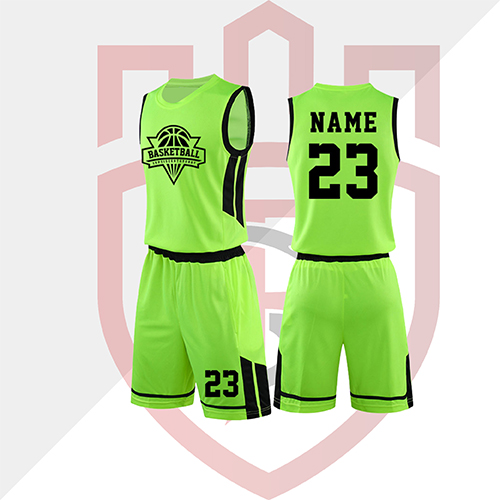
Use it for: soccer uniforms, basketball uniforms, volleyball kits, rash guards and any polyester activewear with a bold design.
Screen printing
Screen printing pushes ink through a mesh screen onto the garment, one colour at a time. It gives bright, solid, durable colours and is a classic choice for T-shirts and hoodies.
- Strengths: strong, opaque colours, works on cotton and dark fabrics, very durable when cured properly.
- Limits: each colour needs its own screen, so designs with many colours or gradients cost more. It is best for simple designs in larger quantities.
Use it for: T-shirts, hoodies, tracksuits and merchandise with a one- to three-colour logo.
Embroidery
Embroidery stitches your logo into the garment with thread. It gives a raised, textured, premium finish that lasts as long as the garment itself.
- Strengths: professional look, very durable, ideal for crests and small logos.
- Limits: not suited to very fine detail, photographs or large areas. Price depends on logo size and stitch count, so a large back design can cost more than a print.
Use it for: polo shirts, varsity jackets, caps, staff and coach wear, and chest logos on hoodies.
DTF and heat transfer
DTF (direct-to-film) prints your design onto a film, which is then heat-pressed onto the garment. It can reproduce full-colour designs on cotton and dark fabrics, where sublimation cannot be used.
- Strengths: full colour and fine detail on almost any fabric, good for smaller quantities and for personalising names and numbers.
- Limits: the print sits on top of the fabric, so large solid areas feel less breathable than sublimation.
Other options for uniforms and private label
- Tackle twill: cut fabric letters and numbers stitched onto the garment, the traditional look for baseball and American football uniforms.
- Woven labels and patches: branding details for private label collections.
How to choose: four questions
- What is the fabric? Polyester performance wear points to sublimation; cotton points to screen printing, DTF or embroidery.
- How many colours are in the design? Many colours or gradients favour sublimation or DTF.
- What look do you want? Embroidery for premium, sublimation for bold all-over kits, screen print for classic streetwear.
- How many pieces? Screen printing becomes more cost-effective as quantities grow.
Many orders combine methods, for example a sublimated jersey with an embroidered crest, or a cotton hoodie with a screen-printed back and an embroidered chest logo. If you are unsure, we can quote both options. See all methods on our technology page.
Frequently asked questions
Can sublimation be used on cotton?
No. Sublimation only works on polyester or high-polyester fabric. For cotton, screen printing, DTF or embroidery are used.
Which method lasts longest?
Sublimation does not crack or peel because the ink is part of the fabric, and embroidery lasts as long as the garment. Screen printing is also very durable when properly cured.
Is embroidery more expensive than printing?
It depends on logo size and stitch count. Small chest logos are often comparable; large designs usually cost more to embroider. We can quote both.
Can I see the design before production?
Yes. Every order starts with a free digital mockup, and production only starts after you approve it. A physical sample can be ordered from 1 piece.
Send your logo and tell us the product and quantity through the contact page or on WhatsApp +92 302 9431192. We will recommend the best method and send a free mockup.